7 Lakh Free Treatments In One Year. Why India’s Senior Health Scheme Still Struggles To Reach Its Goal
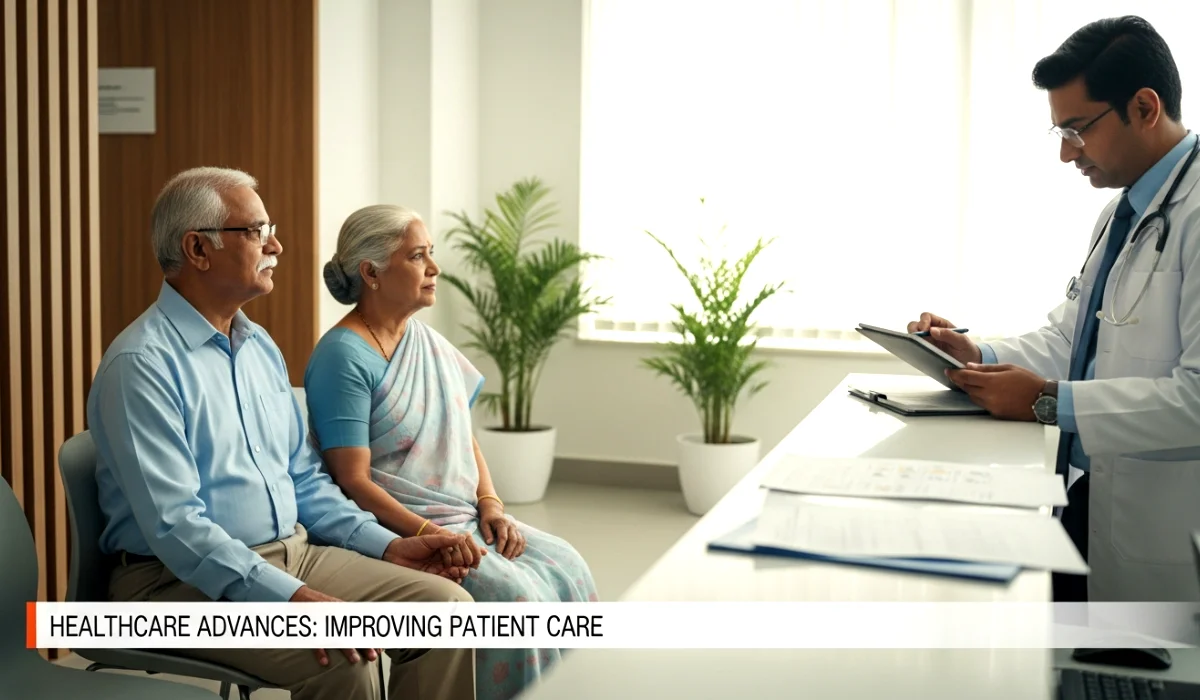
New Delhi: India’s expanded PM Jay Senior Health Scheme has completed its first year and the numbers tell a story that is both impressive and worrying. On one hand, over seven lakh medical treatments for senior citizens have been cleared at zero cost. On the other hand, enrollment remains far behind the government’s big dream of covering all elderly citizens aged seventy and above.
The scheme promises up to five lakh rupees of free annual health coverage to every eligible senior, regardless of income. It was launched to ease the financial burden of families who often hesitate to take elderly members to hospitals due to fear of heavy medical expenses.
What The First Year Achieved
1. Over Seven Lakh Treatments Cleared
The government has approved more than seven lakh treatments worth around one thousand four hundred and seventy one crore rupees.
These include major and chronic care procedures such as:
- Cardiac surgeries
- Kidney related treatments
- Cancer care
- Knee and hip replacements
- Long term hospitalization cases
Doctors say the rise in chronic diseases among the elderly makes this coverage extremely important.
2. Huge Potential, Low Enrollment
A little over nine million seniors have enrolled so far, which is only fifteen percent of the target of sixty million.
Top performing states include:
- Uttar Pradesh
- Madhya Pradesh
- Kerala
Health workers in these states credit strong district level awareness campaigns.
You can also read : Recognizing Phishing Emails With Real Life Examples
3. Sharp Impact On Out Of Pocket Expenses
A senior official at the National Health Authority explained that the scheme is reducing financial stress among older patients.
“We wanted to ensure no senior avoids treatment because of money. This first year shows the need is massive,” he said.
Where The Scheme Is Falling Short
1. Millions Still Unaware Of The Scheme
In many rural and semi urban pockets, seniors still have no idea that such a scheme exists.
For example:
- Seventy four year old Kesar Singh from Haryana had no clue about the scheme until a local health worker told him.
- His family admitted they avoided hospitals due to rising medical costs.
Lack of awareness is one of the biggest reasons behind the slow enrollment.
2. Outdated Package Rates Concern Hospitals
Private hospitals argue that many reimbursement rates under PM Jay have not been updated in years.
Their concerns include:
- Costs of medical supplies have increased
- Salaries of specialists have risen
- Infrastructure expenses are higher
A hospital administrator in Delhi said, “If rates do not match the real cost, private hospitals hesitate to accept too many beneficiaries.”
3. Public Hospitals Overloaded
Government hospitals are now witnessing a surge in elderly patients. This has exposed infrastructure limitations such as:
- Shortage of beds
- Long waiting hours
- Limited diagnostic equipment
- Staff shortage in key departments
A surgeon in Lucknow said the pressure is rising faster than expected. “We welcome seniors, but hospitals need more support.”
Positive Trends Emerging
1. Higher Female Enrollment In Some States
Interestingly, female seniors are enrolling in higher numbers in states where women traditionally receive less healthcare support.
Social workers say free coverage gives them more confidence to seek treatment independently.
2. More Seniors Opting For Preventive Care
Before the scheme, many elderly citizens only visited hospitals when conditions became serious.
Now, more of them are coming for:
- Early check ups
- Follow up consultations
- Diagnostic tests
- Routine monitoring of chronic diseases
This shift is expected to reduce emergency medical cases in the long term.
3. Better Data On Elderly Healthcare Needs
With lakhs of treatments processed, the government now has clearer insight into the diseases affecting Indian seniors.
This helps in planning future public health programs.
Expert Voices On The Way Forward
A Mumbai based geriatrician pointed out the rising pressure on India’s ageing population. He explained, “People are living longer and that is a blessing. But long life comes with long treatment. A scheme like this balances the reality.”
Health economists believe the next steps should include:
- Updating package rates to reflect inflation
- Allowing differential pricing depending on region
- Partnering with more private hospitals
- Strengthening rural healthcare networks
Policy analysts argue that if the scheme wants to reach sixty million seniors, awareness campaigns must become more aggressive at ground level.
What The Government Is Planning Next
Officials say internal discussions are underway to update reimbursement packages and expand partnerships. Some proposals include:
- Increasing rates for high cost surgeries
- Allowing states to propose region specific rates
- Adding new treatments under coverage
- Strengthening digital enrollment drives
- Boosting manpower at government hospitals
Sources say the government wants to avoid financial pressure while still improving coverage quality.
Human Stories Behind The Numbers
One of the most touching stories came from a seventy one year old widow in Bhopal. She received a heart procedure under the scheme.
She said, “I could not afford even basic tests earlier. This scheme saved me. For the first time, I felt seen by my country.”
Such personal accounts show why the scheme matters, beyond statistics and political debates.
The Road Ahead
The next twelve months will decide the true future of the senior health scheme. To become a nationwide safety net, India needs:
- More awareness
- More hospitals on board
- Updated treatment rates
- Stronger district level infrastructure
The seven lakh treatments approved so far show that the engine has started moving. But reaching sixty million seniors will require a much bigger push.