Toxic Air Returns To Delhi NCR As Hospitals Fill Up And Public Anger Explodes
Delhi NCR Faces Severe Air Emergency As Toxic Smog Engulfs Region
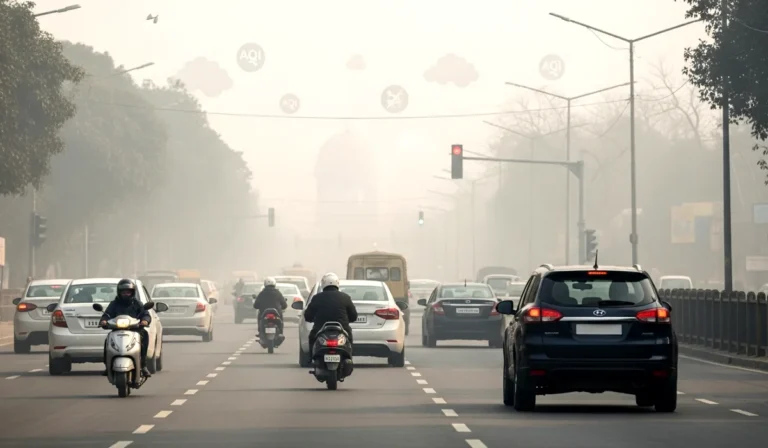
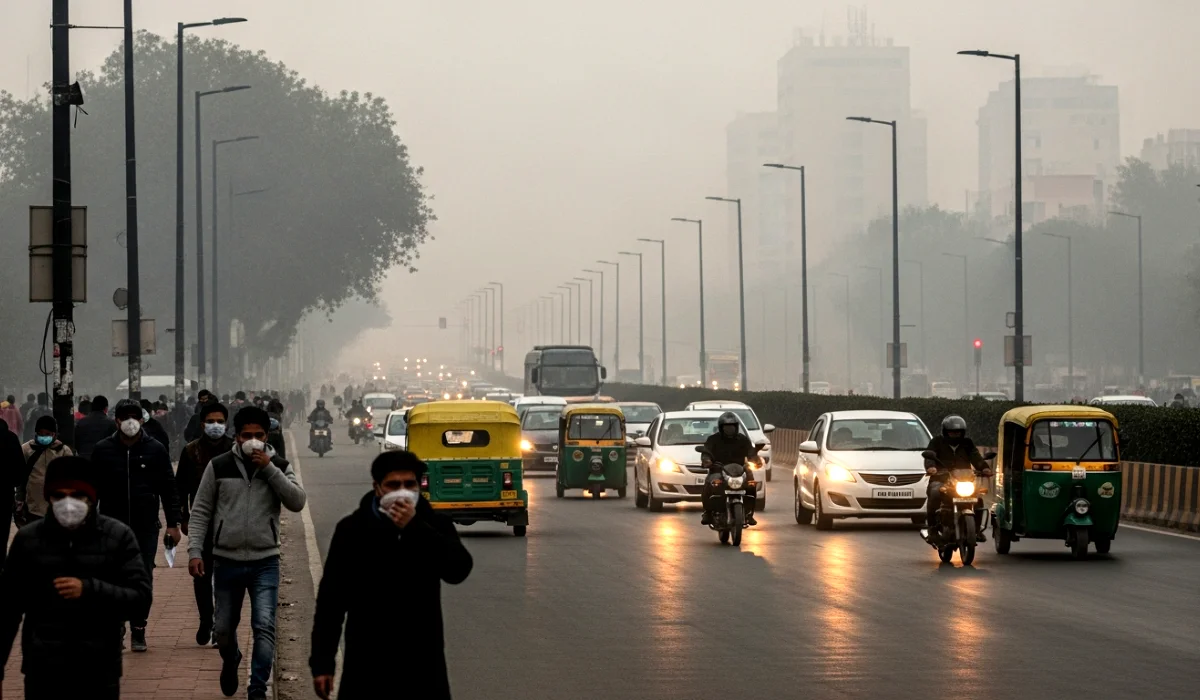
Delhi NCR woke up to a suffocating blanket of smog this week, turning the sky a dull grey and leaving millions struggling with itchy throats and burning eyes. Residents say the air feels heavy, almost angry, as if the city itself is coughing with them. Every winter brings some level of pollution, but this time the crisis feels sharper and more unsettling.
According to the latest readings from the Central Pollution Control Board, cities like Noida, Hapur, and Greater Noida recorded some of the worst Air Quality Index numbers in the region. Delhi and Ghaziabad followed closely, trapping the entire NCR in a toxic bowl of stagnant air. What used to be a seasonal nuisance has now transformed into a yearly health emergency.
Hospitals Struggle As Respiratory Cases Surge
Doctors across major hospitals in Delhi are witnessing a disturbing rise in emergency cases related to breathing problems. More than two lakh patients suffering from acute respiratory illnesses were treated between 2022 and 2024 in just six major hospitals. The numbers are climbing each year, and this week pushed the limits even further.
A senior doctor at Safdarjung Hospital shared his frustration while adjusting his mask between patient rounds. He said, “We used to brace for seasonal spikes, but now the crisis barely leaves. Pollution has become a year long battle for our patients and for us.” His words summed up the exhaustion of medical staff who are treating wave after wave of coughing, wheezing, and breathless citizens.
Parents are especially worried for their children. Pediatric units have seen an increase in young patients with persistent cough, chest tightness, and fever triggered by polluted air. Many parents now keep inhalers and nebulizers at home as part of their daily routine.
Delhi Govt Sets Up Monitoring Panel To Fight Pollution
In response to the rapidly worsening situation, Chief Minister Rekha Gupta announced the formation of a special monitoring panel tasked with cracking down on pollution violators. The panel will track construction sites, industries, and vehicles that ignore emission rules and impose strict penalties.
Anti smog guns have returned to major roads, spraying mist in hopes of reducing dust particles. While these measures show effort, many residents quietly admit they have lost faith in temporary fixes. A shopkeeper in Lajpat Nagar told me, “These machines look impressive but they cannot clean an entire city. We need stronger long term solutions.”
The Delhi government has also urged people to limit outdoor activities and keep windows closed during peak pollution hours. Schools are reviewing outdoor sports schedules, and several private institutions have shifted to hybrid classes for younger students.
Centre Issues Orders To NCR States
Union Minister Bhupender Yadav stepped in this week and instructed all NCR states to strictly enforce emission norms. His ministry asked states to update action plans, monitor industrial emissions, and ensure that environmental rules are followed without delay. Officials hinted that failure to comply might result in central level penalties.
A senior official involved in the review told reporters that “casual compliance will not be tolerated.” But despite tough words, residents remain uncertain. After years of hearing promises and warnings, people are waiting for results, not statements.
Streets Witness Growing Public Anger And Protests
The smog has not only affected lungs but also sparked public anger. Citizens, students, environmental volunteers, and opposition leaders gathered at Jantar Mantar demanding a nationwide air quality strategy. Placards, slogans, and speeches filled the air as people insisted that pollution is no longer a local issue but a national health emergency.
One university student at the protest said, “We cannot accept a life where breathing itself is dangerous. We deserve basic clean air.” Her statement echoed through the crowd, capturing the frustration of an entire generation that has grown up in a haze of smoke.
Protesters blamed two major contributors that remain largely unchecked: vehicular emissions and dust from construction. Many sites still lack mandatory barriers, allowing fine dust to enter homes, food stalls, and even classrooms. Long traffic jams add more smoke to the air, making peak hours a nightmare for commuters.
Life In NCR Is Changing Under The Shadow Of Pollution
For millions living in NCR, daily life has been reshaped by smog. Families are keeping air purifiers on around the clock. Elderly residents carry inhalers while walking inside their homes. Joggers have swapped morning runs for indoor workouts. Masks, once associated with pandemics, have silently returned as an everyday accessory.
Environmental experts warn that if bold steps are not taken soon, Delhi NCR may plunge into a deeper health crisis. Long term solutions such as cleaner public transport, strict construction rules, and eco friendly urban planning are urgently needed.
What Lies Ahead For Delhi NCR
As the pollution cloud hangs over the region, everyone is waiting to see if the new measures will actually bring change or fade like previous attempts. The next few weeks will reveal whether strong enforcement can push AQI numbers down or whether the smog will continue to maintain its grip over the region.
For now, Delhi NCR coughs, hopes, and waits for cleaner skies.