
Bajaj Auto Posts Strong Q3 FY26 Performance as Premium Motorcycles and Exports Lead Growth
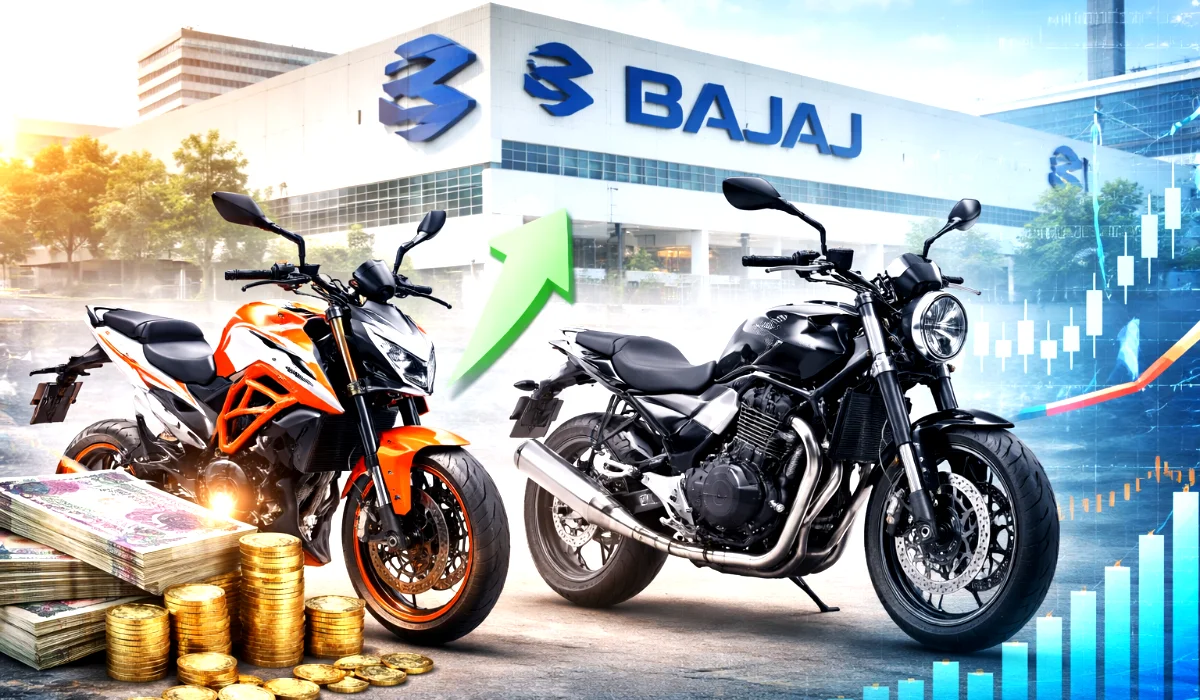
Bajaj Auto delivered a solid financial performance in the third quarter of FY26, supported by higher sales volumes, a favourable product mix, and steady recovery in overseas markets. The company’s latest results underline how premium motorcycles and improving market conditions are strengthening its overall business position at a time when the two wheeler industry is gradually stabilising.
For the quarter ended December 2025, Bajaj Auto reported a consolidated net profit of approximately ₹2,503 crore, marking a year on year increase of around 19 percent. Revenue from operations also grew by a similar margin to nearly ₹15,220 crore, reflecting both higher volumes and better realisation per vehicle. The strong earnings performance highlights the company’s ability to balance cost discipline with strategic growth across domestic and export markets.
Sales Volumes Show Consistent Momentum
Total vehicle sales during the quarter crossed 1.34 million units, registering close to a 10 percent increase compared to the same period last year. Two wheelers continued to form the largest share of volumes, while commercial vehicles also contributed steadily to overall growth.
Domestic two wheeler sales showed moderate improvement, aided by festive season demand and a gradual recovery in rural and semi urban markets. While entry level motorcycles remained under pressure due to cautious consumer spending, demand for mid range and premium models remained resilient. This shift in consumer preference played a key role in supporting revenue growth.
Exports, a traditionally strong pillar for Bajaj Auto, recorded a sharper rebound. Shipments to overseas markets rose at a double digit pace, supported by improving demand conditions in Africa, Latin America, and parts of Asia. The export recovery helped offset softness seen in select geographies affected by currency volatility and regulatory challenges.
Premium Motorcycles Become a Key Growth Driver
One of the most significant highlights of the quarter was the performance of Bajaj Auto’s premium motorcycle portfolio. Sales of higher displacement motorcycles grew at a much faster pace than the overall market, reinforcing the company’s strategy of expanding its presence in the premium segment.
Motorcycles sold under the KTM and Triumph partnerships witnessed strong demand, with combined domestic revenue from these brands rising by roughly 50 percent year on year. This growth was driven by refreshed product offerings, better availability, and sustained interest among urban buyers and enthusiasts.
Despite recent increases in GST for motorcycles above 350cc, demand for premium bikes remained stable. Strategic pricing decisions and value positioning helped reduce the impact of higher taxes on final consumer prices. This approach allowed Bajaj Auto to protect volumes while maintaining profitability in the premium category.
The company has also benefited from rising consumer preference for feature rich motorcycles that offer performance, advanced technology, and strong brand appeal. This ongoing trend of uptrading within the two wheeler segment continues to support margins and revenue growth.
Impact of GST Changes on Industry Demand
The quarter also reflected the early effects of GST rationalisation across the two wheeler industry. Motorcycles with engine capacity up to 350cc now attract lower tax rates, making them more affordable for a large segment of buyers. Bajaj Auto has acknowledged that this change can provide a structural boost to demand, particularly in the mid size motorcycle category.
However, company leadership has indicated that the long term impact of GST changes will depend heavily on inflation trends and consumer purchasing power. Two wheeler buyers remain highly price sensitive, and sustained demand growth will require stable fuel prices, controlled inflation, and steady income growth.
As part of its response, Bajaj Auto is aligning its product strategy to focus more on sub 350cc motorcycles while continuing to strengthen its premium portfolio. This balanced approach is aimed at capturing volume growth as well as value growth across different customer segments.
Electric Vehicles and Commercial Segment Performance
Beyond conventional motorcycles, Bajaj Auto’s electric vehicle business also made notable progress during the quarter. Sales of the Chetak electric scooter rose sharply as supply constraints eased, reflecting growing acceptance of electric two wheelers in urban markets.
The company’s electric three wheeler portfolio also expanded its footprint, contributing to incremental revenue and supporting diversification beyond internal combustion engine vehicles. Electric mobility remains a strategic priority, with Bajaj Auto continuing to invest in capacity, technology, and distribution.
The commercial vehicle segment delivered consistent performance, marking another quarter with domestic retail sales above 100,000 units. Stable demand from small businesses and urban transport operators supported volumes in this category.
Outlook Remains Cautiously Optimistic
Looking ahead, Bajaj Auto expects demand conditions to remain supportive, provided macroeconomic stability is maintained. The company plans to introduce new models and upgrades across both mass market and premium categories, while continuing to strengthen its export presence.
Key risks include fluctuations in foreign exchange rates, commodity price volatility, and changes in global economic conditions. Nevertheless, the company’s diversified portfolio, strong balance sheet, and focus on premiumisation position it well to navigate near term challenges.
Overall, Bajaj Auto’s Q3 FY26 performance demonstrates the effectiveness of its strategy to combine volume growth with higher value products. With premium motorcycles, exports, and electric mobility gaining momentum, the company remains well placed to sustain growth in a competitive and evolving two wheeler market.
