ChatGPT Gets Its Own App Store: Why OpenAI’s New Move Changes Everything for Developers

OpenAI has made a move that many in the tech world were quietly waiting for. The company behind ChatGPT has officially launched the ChatGPT App Store, opening the platform to developers across the globe. In simple terms, ChatGPT is no longer just a chatbot. It is becoming a platform where third party developers can build, publish, and distribute their own AI powered applications.
This step marks a big shift in how OpenAI sees the future of ChatGPT. Until now, users interacted mostly with OpenAI built tools. With the App Store, ChatGPT starts to feel less like a single product and more like an ecosystem.
A platform moment for OpenAI
The ChatGPT App Store allows developers to list custom GPT based apps inside ChatGPT itself. These apps can do specific tasks like writing code, analyzing documents, planning trips, summarizing legal text, or even teaching niche subjects. Users can browse these apps and start using them instantly without downloading anything.
A senior OpenAI executive said during the launch announcement that developers are the backbone of innovation and the App Store is designed to let creativity scale faster than OpenAI could do alone. While the quote was brief, the message was clear. OpenAI wants to grow with its developer community, not ahead of it.
Why OpenAI chose this timing
The timing is not random. AI tools are becoming common, but users are now asking for specialization. A general chatbot is useful, but a chatbot trained for a specific task is often far more powerful.
By launching the App Store now, OpenAI is giving developers a chance to solve niche problems while keeping users inside the ChatGPT ecosystem. This also helps OpenAI compete with other tech giants building closed AI systems.
From a business point of view, it is a smart move. Platforms win when others build on top of them.
How developers can use the App Store
Developers can create custom GPTs using OpenAI tools and submit them to the App Store. Once approved, these apps become discoverable to millions of ChatGPT users. OpenAI has said it will soon introduce a revenue sharing model, allowing developers to earn money based on how popular their apps become.
This approach feels familiar. It mirrors how mobile app stores helped small developers reach massive audiences without marketing budgets. For independent creators and startups, this could be a rare opportunity.
One developer from India who tested early access said the barrier to entry is surprisingly low. You do not need a large team or complex infrastructure. If you understand prompts, workflows, and user needs, you can build something valuable.
What users will notice
For regular users, the biggest change is choice. Instead of forcing ChatGPT to do everything, users can now pick tools designed for specific needs. This improves accuracy and saves time.
Students might use study focused GPTs. Professionals may rely on industry specific assistants. Creators could find tools built just for writing, design planning, or content ideas.
The experience stays simple. Apps run inside ChatGPT, so there is no extra setup or learning curve.
Why this matters for the AI industry
This launch sends a strong signal to the broader AI industry. OpenAI is positioning ChatGPT as an operating system for AI, not just a product. Once developers invest time and creativity into a platform, switching becomes harder.
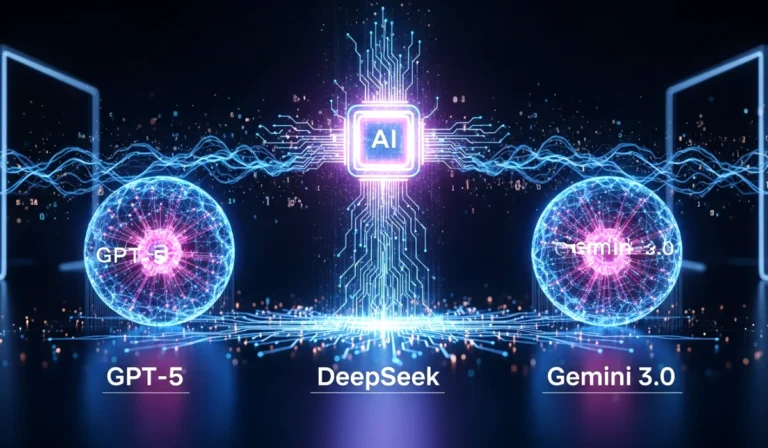
It also creates pressure on competitors. Any AI company that limits developer freedom may struggle to keep up with open ecosystems.
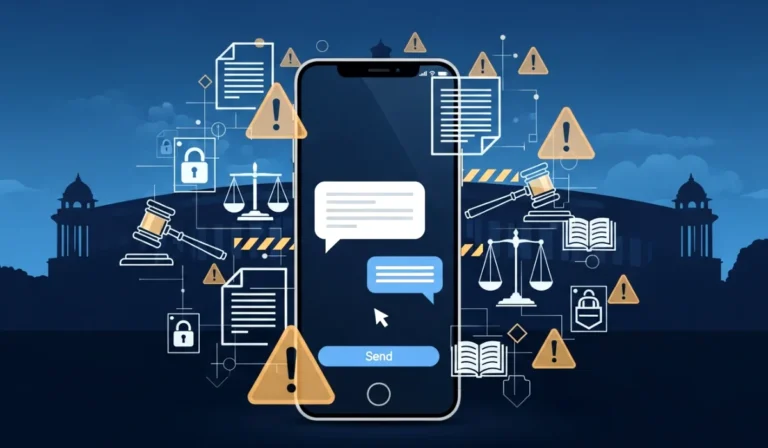
There are risks too. OpenAI will need strong moderation to prevent misuse, low quality apps, or misleading tools. Trust will be critical.
The road ahead
The ChatGPT App Store is still young, but its impact could be massive. If OpenAI handles monetization fairly and keeps improving developer tools, this marketplace could become one of the most important spaces in AI development.
For users, it means smarter tools. For developers, it means visibility. For OpenAI, it means control over a growing ecosystem.
One thing is certain. ChatGPT is no longer just answering questions. It is building a world around them.
LATEST BLOG : LIKHOVERSE