
Community Dogs Are Quietly Keeping Indian Cities Safer, New Survey Suggests
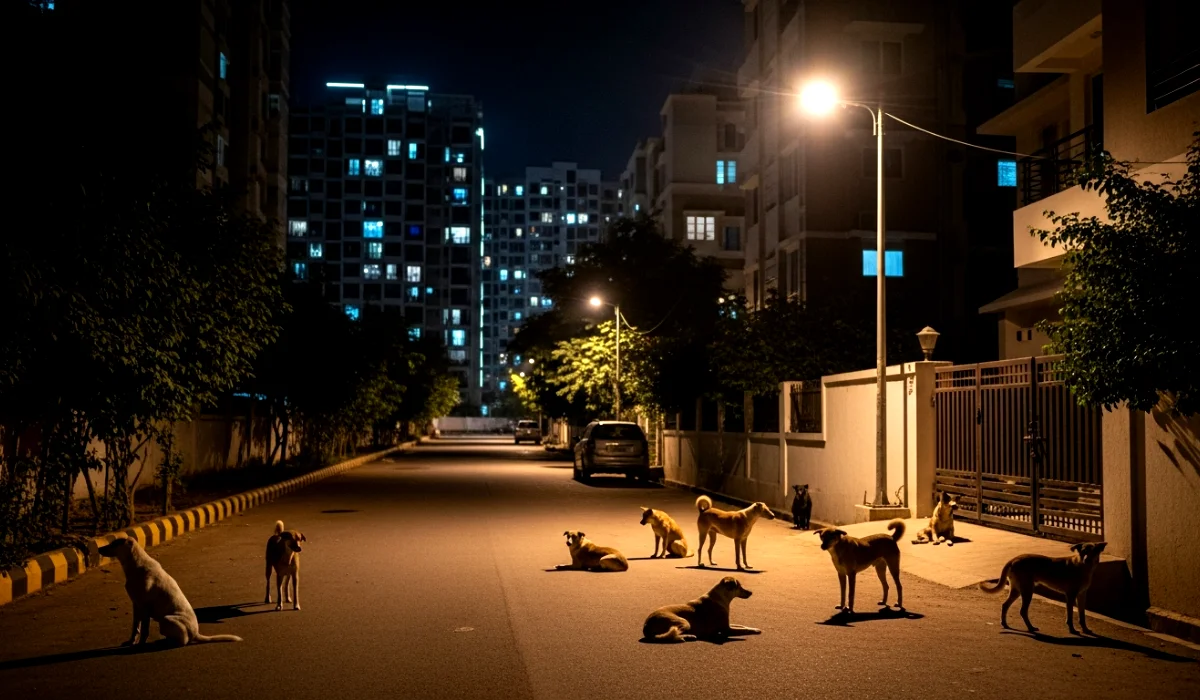
In a country where safety conversations usually revolve around CCTV cameras, street patrols and apps that promise real time alerts, a new finding has surprised many. A Delhi based think tank has discovered that the familiar community dogs living in India’s lanes might be doing more for neighborhood security than anyone ever acknowledged.
During September 2025, researchers surveyed 1,063 residents across ten major cities including Delhi, Mumbai, Bangalore, Jaipur and Chennai. What they found was striking. A huge majority, nearly 91 percent, believed that the presence of community dogs acts as a natural crime deterrent. Many participants said these animals notice everything, react instantly to unusual movement and often warn people before trouble even begins.
This may sound like a simple observation, but when I spoke to a few respondents in Delhi’s Lajpat Nagar, they nodded almost instinctively. “These dogs know our faces. They bark only when someone unfamiliar walks in late at night. I feel safer with them around than with a malfunctioning streetlight,” said 32 year old shopkeeper Rakesh Kumar, who swears the colony dogs have helped prevent multiple break ins over the years.
The survey shows people are not just fond of these dogs. They trust them. About 96 percent of the respondents said they feel noticeably safer in their neighborhoods because of these animals. More than half even highlighted that women and children benefit the most, especially during early morning walks, school bus timings and late evening market visits.
This is not just emotional comfort. It reflects lived experience. In many localities, community dogs have evolved into informal guardians. They roam the same streets every day, observe patterns and quickly sense when something is off. Unlike paid security staff who rotate shifts or move on to other assignments, these dogs stay for years. That familiarity builds an unexpected but powerful layer of hyperlocal security.
Researchers behind the report say the friendliness most people experience with these dogs comes from kindness shown by the community. When residents offer food or water, the dogs respond with loyalty. This relationship, according to the authors, is the backbone of the safety ecosystem emerging in several cities. “People assume street dogs are unpredictable, but our data shows that when a community treats them well, their behavior becomes stable, protective and calm,” explained lead researcher Aditi Sharma during a briefing.
Another interesting insight from the study is the shift in public perception regarding rabies. For decades, fear of rabies fueled mistrust around street dogs. But nationwide sterilization drives and vaccination campaigns appear to be making a difference. According to the think tank, rabies related deaths have fallen noticeably in recent years. Many respondents were aware of these improvements, crediting local NGOs for handling sterilization and awareness programs.
Despite these positive numbers, the report does not paint a picture of perfection. Rising dog bite complaints in several cities remain a concern. The authors caution that these incidents often occur in pockets where dogs are abandoned, injured or forced to compete for food. They argue that the solution is not harsh action but better civic management and stronger data collection. Without reliable numbers on bites, deaths, vaccinations and stray dog populations, it becomes difficult for cities to design long term humane policies.
Urban planners studying the report agree that the issue requires nuance. “The conversation cannot be all praise or all panic. Community dogs offer benefits, but they also need structured management. Cities must coordinate sterilization, feeding zones, night shelters and public awareness in a scientific way,” said urban affairs analyst Kabir Taneja.
What stands out most in this survey is how quietly community dogs have been contributing to public safety. In a time when most households rely on technology for protection, these animals offer something rare. They provide an instinctive warning system that no camera or app can replicate. They recognise faces, remember routines and intervene instantly when something feels out of place.
Many respondents shared stories that highlight this instinct. A young student from Bangalore recounted how the dogs near her hostel escorted her group back at night when their cab broke down. A family in Mumbai recalled how their colony dogs chased away a suspicious man who tried to follow their daughter home. These anecdotes may not fit into official crime statistics, but they reveal how people experience safety in real life.
As Indian cities grow more crowded and unpredictable, this unusual partnership between human communities and street dogs may shape future urban policies. The think tank recommends integrating community dogs into neighborhood watch models, strengthening sterilization campaigns and improving data systems.
For now, the message from the survey is simple. Those furry faces we pass on the street every day may be offering more protection than we realise. And if cities nurture this bond with thoughtful planning, both residents and dogs could benefit for years to come.







One Comment