Delhi Pollution Curbs Explained: Can Older BS3 Vehicles Still Run on City Roads?

Delhi Pollution Curbs Explained: What Happens to BS3 Vehicles Now
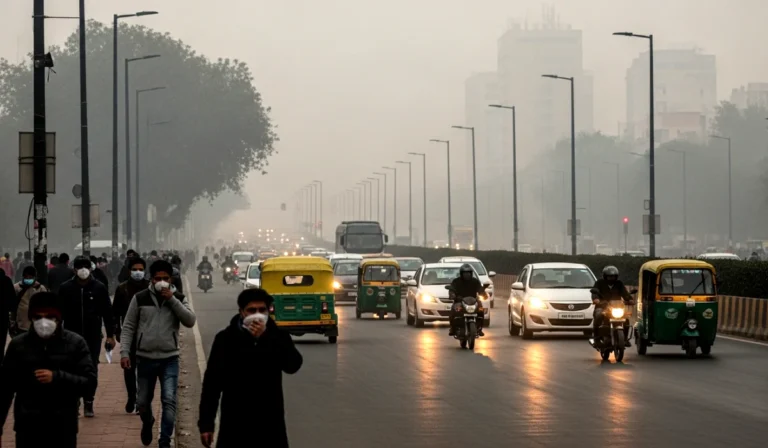
Every winter, Delhi wakes up under a thick blanket of smog. This year is no different. With air quality slipping into the poor and very poor categories, the capital has once again rolled out pollution control measures. As restrictions tighten, one question keeps coming up on roads, housing societies, and social media timelines. Are older BS3 vehicles still allowed to operate in Delhi?
The confusion is understandable. Rules change depending on air quality levels, enforcement varies across zones, and official notifications often get lost in translation. Here is a clear and simple breakdown of where things stand right now.
Why Delhi Has Tightened Pollution Curbs Again
Delhi’s air pollution spikes sharply during winter due to a combination of factors. Low wind speed traps pollutants close to the ground. Vehicle emissions add to the load. Construction dust, industrial activity, and seasonal burning outside the city make matters worse.
To manage this, authorities follow the Graded Response Action Plan, commonly known as GRAP. This framework activates different restrictions based on the Air Quality Index. The worse the air gets, the stricter the measures become.
Officials say these curbs are not meant to punish people but to prevent the situation from spiraling out of control. A senior environment official recently said, We cannot wait for air quality to reach emergency levels. Preventive steps are necessary even if they cause inconvenience.
Are BS3 Vehicles Allowed to Operate Right Now
The short answer is yes, but with conditions.
BS3 vehicles are not automatically banned at all times. Their operation depends on the GRAP stage currently in force. Under lower pollution levels, BS3 petrol vehicles and BS4 diesel vehicles are generally allowed to ply. However, once air quality deteriorates sharply and higher GRAP stages are activated, restrictions kick in.
Under stricter stages, authorities may restrict or temporarily ban certain categories of older vehicles, especially during peak pollution days. Diesel vehicles face tighter scrutiny due to higher emission levels.
Traffic police officials say enforcement focuses more on visibly polluting vehicles rather than age alone. If a BS3 vehicle passes emission tests and does not emit visible smoke, it may still be allowed unless a specific ban order is issued.
What GRAP Rules Say About Older Vehicles
GRAP is designed as a flexible response plan. It does not permanently ban vehicles but allows authorities to impose temporary restrictions when pollution worsens.
When air quality reaches severe levels, authorities may restrict entry of older vehicles into city limits or impose odd even style limitations. Construction activity slows down. Diesel generator use is restricted. Public advisories encourage people to work from home or use public transport.
Importantly, BS3 vehicles are already older by design standards. Even if allowed temporarily, their long term future in Delhi remains uncertain. Several environmental experts argue that phasing them out gradually is inevitable.
A transport policy analyst explained, The goal is not sudden bans. The goal is a transition. But people must understand that BS3 vehicles will eventually be pushed out of dense urban areas.
Who Gets Exemptions and Who Does Not
Not all vehicles are treated equally under pollution curbs. Emergency services such as ambulances, fire engines, and police vehicles are exempt. Public transport like buses often continues to operate to reduce private vehicle use.
Commercial goods vehicles face the strictest checks, especially during night hours. Entry of trucks into Delhi is frequently restricted except for essential supplies.
Private vehicle owners often feel singled out, but authorities say exemptions are based on necessity, not privilege. Officials argue that restricting public transport would worsen pollution by pushing more people to use private cars.
What Vehicle Owners Should Do Next
For BS3 vehicle owners, the current situation calls for awareness and caution.
First, keep an eye on daily air quality updates and GRAP announcements. Restrictions can be imposed with short notice. Second, ensure that your vehicle has a valid pollution under control certificate. Vehicles failing emission tests face immediate penalties regardless of GRAP stage.
Third, consider alternatives. Public transport, carpooling, or flexible work hours can reduce daily exposure to enforcement risks. For those planning to upgrade, cleaner fuel vehicles offer more long term certainty.
A car owner from West Delhi shared his frustration. He said, My car runs fine and has valid papers, but every winter feels like walking on thin ice. You never know when a ban will hit.
The Bigger Picture Beyond BS3 Vehicles
The debate around BS3 vehicles highlights a deeper challenge. Delhi’s pollution problem cannot be solved by vehicle bans alone. While transport contributes significantly, it is only one piece of the puzzle.
Experts repeatedly point out the need for better public transport, cleaner fuel adoption, stricter industrial controls, and regional cooperation with neighboring states.
Until those changes take root, seasonal curbs will remain a reality. BS3 vehicles may survive a little longer on paper, but their road space is shrinking year by year.
Final Word
So, are BS3 vehicles still allowed in Delhi? Yes, for now, depending on pollution levels and GRAP stage. But the window is narrowing. Owners should stay informed, comply strictly with emission norms, and prepare for a future where older vehicles slowly fade out of the capital’s streets.
Delhi’s air crisis leaves little room for comfort. What feels like an inconvenience today may be the price of cleaner air tomorrow.
FOR LATEST BLOG : LIKHOVERSE